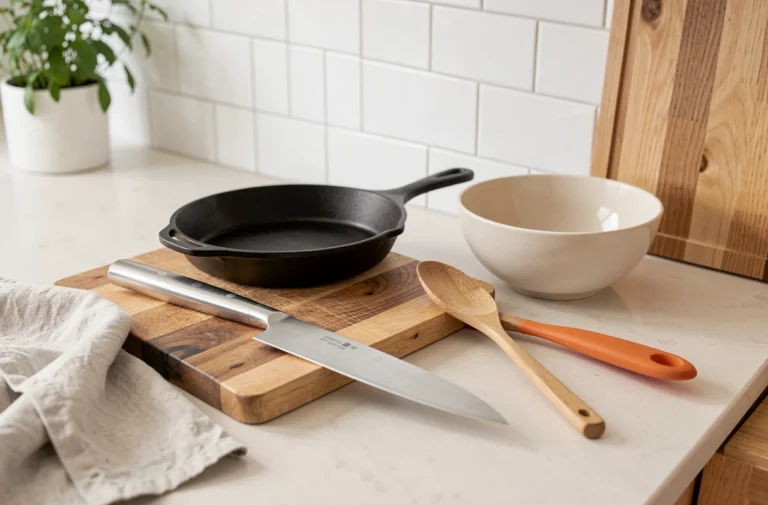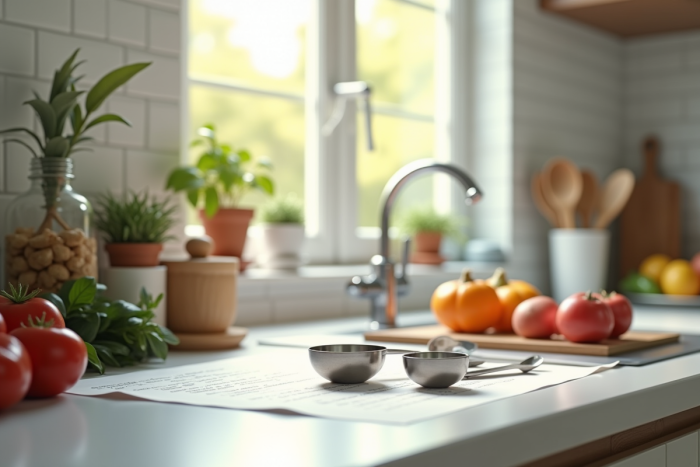
A French measuring cup sometimes shows 25 cl, while an American recipe calls for a cup of 240 ml. Between the standardized tablespoon and the one inherited from a family set, the difference can reach 20%. Some electronic scales refuse to display less than 5 grams, while gelatin or spices are measured to the nearest gram.
The gap between traditional units and international measurements explains the increase in proportion errors. Accurate equivalents help avoid these pitfalls and ensure the reproducibility of recipes, regardless of the origin of the tools or ingredients.
Small measurement woes: why we often get tangled up in the kitchen
In the reality of cooking, juggling between measurements quickly becomes a sport. As soon as a foreign recipe comes along with its milliliters, centiliters, cups, or pints, confusion sets in. Habits vary by country, books, and sometimes even from one generation to another. In baking, a minimal discrepancy can change everything: an excess of water, a gram too much, and the cake won’t hold up. The tablespoons passed down from grandparents do not always have the same capacity as store-bought ones, while the electronic scale sometimes stops at 5 grams, where precision to the gram becomes essential.
Theoretically, the metric system is clear: 1 liter equals 100 centiliters or 1000 milliliters. But the reality is a patchwork of utensils: mustard glass, deep plate, cereal bowl, each with its own volumes, inherited from traditions or the imagination of manufacturers. Confusion also arises with the British pint (568 ml), the American pint (473 ml), the American cup (236 ml), or the fluid ounce, which adds doubt to recipes from elsewhere.
To avoid falling into classic traps, it’s better to equip yourself. A graduated measuring cup or a reliable digital scale becomes a valuable ally for measuring accurately both liquids and solids. Before diving in, it’s useful to consult a few simple references: for example, 1 tablespoon equals 15 ml, a coffee cup equals 100 ml, and a mustard glass equals 200 ml. If you need to quickly convert a specific volume, like 300 ml to L, the page “Easily convert 300 ml to liters: essential cooking tips – La Table de Jeanne” summarizes the most useful tips and equivalents without detours.
In the kitchen, nothing replaces precision: it reassures, saves time, and avoids mishaps. Every gram, every milliliter, can make the difference, especially when it comes to achieving a desired texture or taste.
Clever charts and smart tips for converting volumes and quantities without a headache
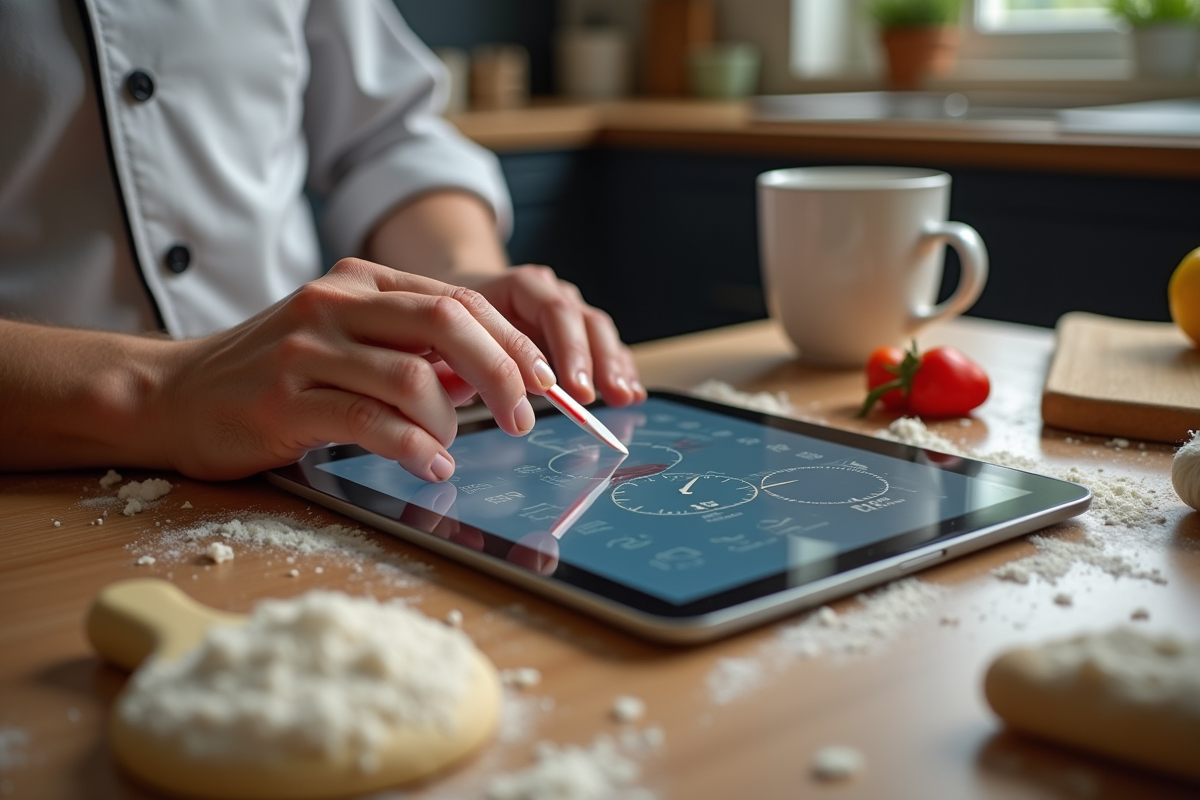
To convert volumes in the kitchen without hesitation, a few references are enough. Keeping a conversion chart visible on the countertop changes the game: no more time wasted searching, fewer doubts when measuring ingredients. Here are the basic equivalents to remember:
- 1 teaspoon = 0.5 cl = 5 ml
- 1 tablespoon = 1.5 cl = 15 ml
- 1 coffee cup = 10 cl = 100 ml
- 1 mustard glass = 20 cl = 200 ml
- 1 cereal bowl ≈ 40 cl ≈ 400 ml
Kitchen converters, whether mobile or online, simplify the transition from one system to another. They help navigate between ounce (29.6 ml), cup (236 ml), British pint (568 ml), and American pint (473 ml), all units present in recipes from around the world. In baking, even the slightest inaccuracy can be costly: a handy chart within reach avoids many disappointments.
Mastering these conversions ensures that you won’t ruin a preparation due to a detail. Digital tools complement classic instruments, but nothing beats the habit of knowing a few references by heart. For example, 1/4 liter corresponds to 25 cl or 250 ml; 1/3 liter, to 33 cl or 330 ml; 1/8 liter, to 12.5 cl or 125 ml. To convert 300 ml to liters, there’s no need to pull out the calculator: just move the decimal point, and you’re done.
In the kitchen, each accurate measurement brings you closer to the expected result. A precise gesture, a mastered conversion, and the recipe takes shape without a hitch. The difference is tasted in every bite.